Market Related Rental Rates: Is Your Office, Warehouse or Commercial Rent Fair?
Market related rental rates are not simply the advertised price per square metre of a nearby property. To determine whether your business is paying a competitive rental, you need to compare similar properties, their specifications, lease conditions and total occupancy costs.
An office advertised at R150/m² may ultimately cost more than one advertised at R180/m². The same applies to warehouses, retail premises and other commercial properties where operating costs, additional charges and property specifications influence the actual cost of occupation.
For South African businesses, understanding the difference can reveal opportunities to reduce property expenses without necessarily relocating.
Key Takeaways
- Market related rent depends on comparable properties, not a national average or a single advertised listing.
- Office, warehouse and retail rentals must be evaluated using different operational and location criteria.
- The true cost of occupation includes more than basic rental, with operating costs, municipal recoveries, parking and utilities influencing the comparison.
- Rental escalations and landlord incentives can substantially change the cost of a lease over time.
- Galetti’s Market Comparison Rental Rate Calculator provides an initial comparison between your current rental and an estimated market rental.
What Are Market Related Rental Rates?
Market related rental rates are the rents that comparable commercial premises can reasonably command in a defined location at a particular time. A defensible comparison considers property size, grade, specifications, lease terms, incentives and recoverable costs, rather than relying on a single advertised rand-per-square-metre figure.
A market related rental is not necessarily the lowest available rental.
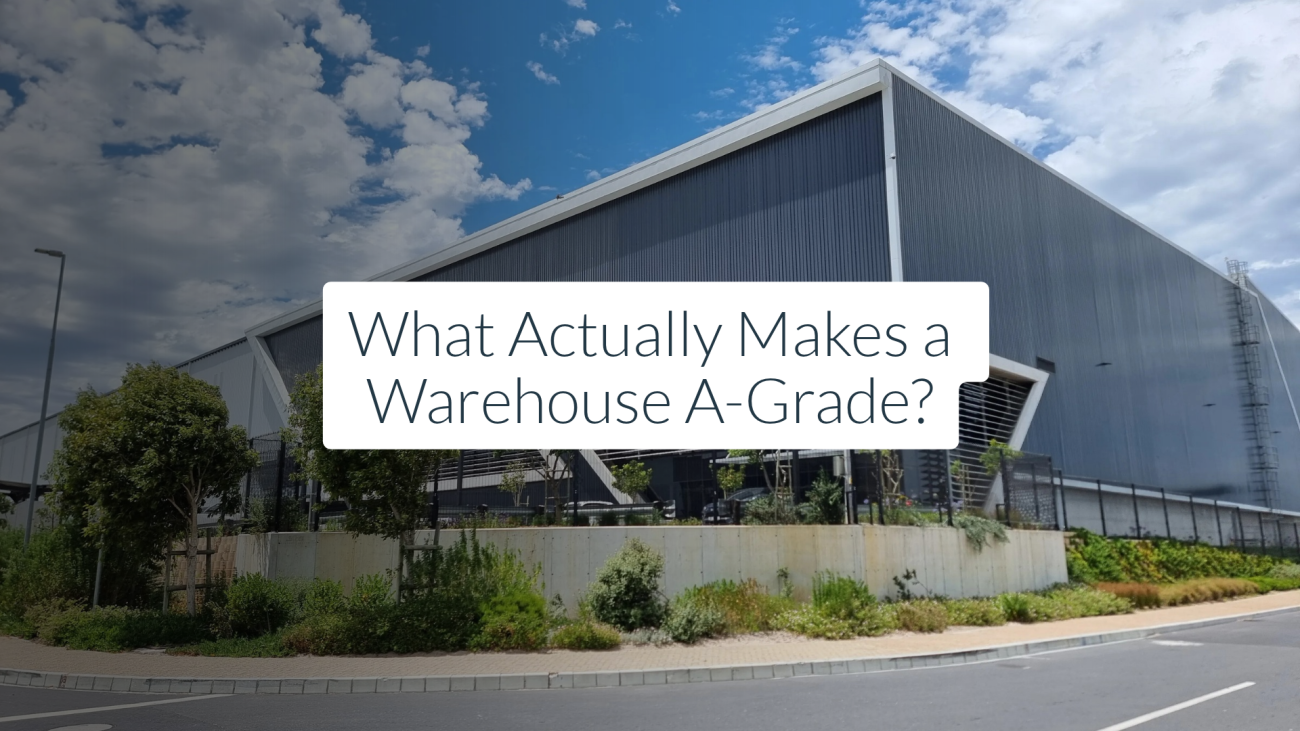
A modern distribution warehouse with suitable truck access, higher eaves and sufficient electrical capacity may justify a premium over an older building with operational restrictions.
Similarly, a centrally located office may command a higher rental than a decentralised alternative. Whether that premium is worthwhile depends on the business’s requirements.
The key question is not simply whether cheaper space exists.
It is whether your business is paying an appropriate amount for the property, location and facilities it actually uses.
Asking rentals versus concluded rentals
One of the most important distinctions in commercial property is the difference between an advertised asking rental and an agreed transaction rental.
An asking rental represents the amount a landlord is marketing the property for. The final agreement may include a different rental, rent-free periods, tenant installation contributions or other negotiated concessions.
Consequently, advertised rentals provide useful market evidence but should not automatically be treated as achieved rental values.
For an accurate comparison, you should consider both current market offerings and, where available, recent concluded leases for genuinely comparable properties.
How Do You Compare Commercial Rental Rates Accurately?
To compare commercial rental rates accurately, identify properties in the same relevant market with similar sizes, specifications and lease structures. Calculate their total costs on a consistent basis, account for incentives and escalations, and assess whether each property provides equivalent operational value.
A practical comparison should follow five steps.
1. Establish your current rental position
Start with the latest lease agreement, amendments and rental statements.
Record the basic monthly rental, gross lettable area, operating costs, municipal rates recoveries, parking charges, annual escalation percentage and remaining lease term.
Confirm which amounts are included in the quoted rental and which are charged separately.
2. Identify genuinely comparable properties
Focus on properties that could realistically accommodate your business.
For offices, this means similar building grades, usable layouts and locations. For warehouses, it means comparable infrastructure and operational capability.
An alternative that cannot meet your business requirements is not a meaningful comparison simply because its rental is lower.
3. Standardise the cost per square metre
Compare rentals on the same basis.
If one property includes operating costs while another excludes them, the quoted rates are not directly comparable.
Check the basis of the floor area measurement as well. A rental calculated against gross lettable area may produce a different result from one calculated against usable internal space.
4. Consider incentives and lease conditions
A landlord may offer a rental-free period, contribution towards fit-out costs or alternative escalation terms.
These incentives can reduce the effective cost of occupation even where the initial basic rental is higher.
5. Evaluate the full lease period
A lease that appears cheaper in year one may become more expensive over subsequent years.
Compare projected costs over the same period, using the actual escalation clauses and clearly stated assumptions about variable costs.
For a deeper examination of the contractual elements, see Galetti’s Commercial Lease Audit and Benchmarking Guide.
Office vs Warehouse vs Retail: What Determines Rental Rates?
Office, warehouse and retail rental rates are influenced by different factors. Offices depend heavily on building quality, location and workplace efficiency. Warehouses are shaped by logistics infrastructure and operational capability, while retail rentals are affected by customer accessibility, visibility and trading potential.
| Comparison factor | Office space | Warehouses and industrial | Retail and commercial premises |
|---|---|---|---|
| Location | Business nodes, transport access and employee convenience | Highway access, logistics routes and proximity to suppliers | Foot traffic, catchment area and customer access |
| Property specification | Building grade, layout, lifts, air conditioning and backup power | Eaves height, floor loading, roller doors and electrical capacity | Frontage, visibility, layout and permitted trading uses |
| Additional costs | Parking, operating costs, backup utilities and fit-out | Electricity, security, yard maintenance and specialised infrastructure | Operating costs, marketing levies, utilities and fit-out |
| Important lease terms | Escalations, parking arrangements and tenant incentives | Maintenance obligations, power requirements and yard rights | Trading restrictions, signage, turnover rent where applicable |
| Main comparison risk | Comparing different building grades or inefficient layouts | Comparing buildings with different operating capabilities | Comparing rental levels without considering trading potential |
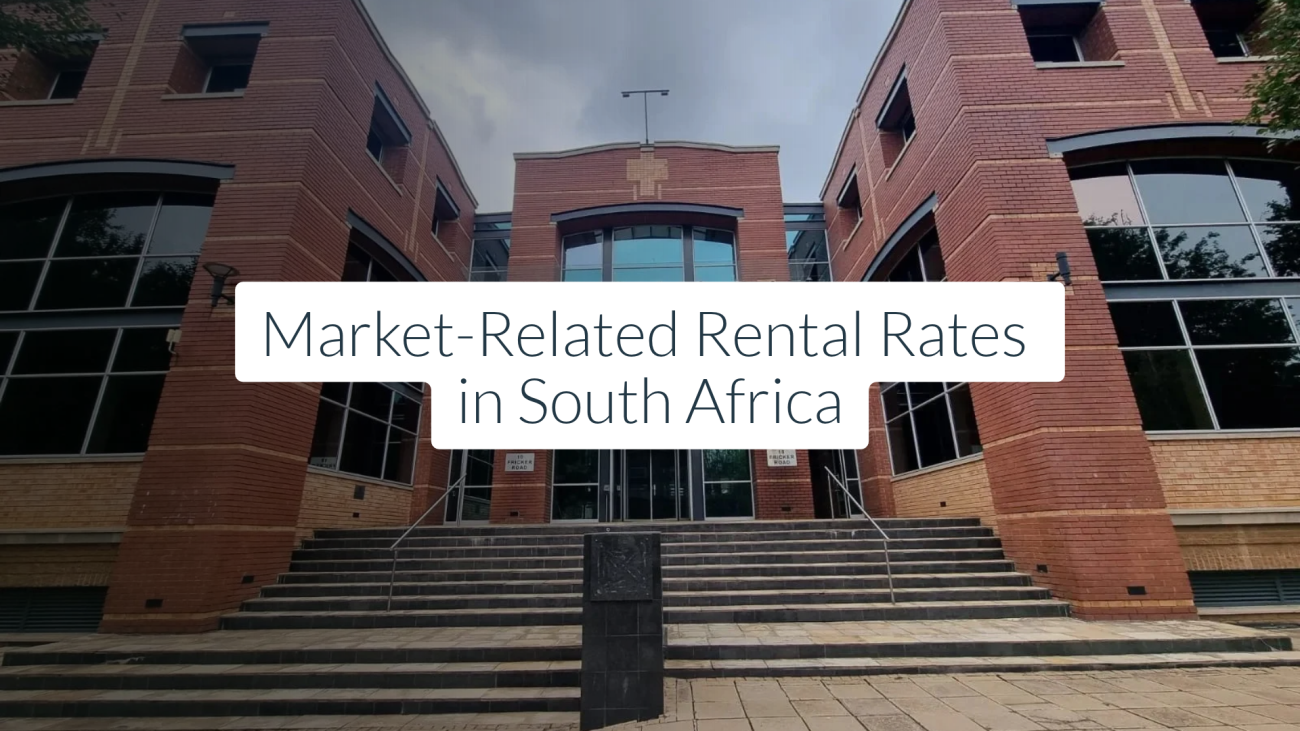
Office rental rates: Location and building grade matter
A fair office rental comparison should consider the actual building grade, local vacancy levels, usable floor area and total occupancy cost.
South Africa’s office market has improved, but the recovery differs across locations.
According to the South African Property Owners Association (SAPOA) Q3 2026 Office Vacancy Survey, national office vacancy declined to 11.8% during the third quarter of 2026, down from a peak of 16.8% in mid-2022.
The improvement indicates that office availability has tightened overall. However, it does not mean that every office market is experiencing identical rental pressure.
An office in Sandton cannot automatically be benchmarked against an office in Rosebank or Sunninghill. Even within the same node, differences in building grade, parking availability, backup infrastructure and floorplate efficiency affect value.
Another consideration is space utilisation.
A business occupying 1,200 m² may discover that a better-configured 950 m² office can accommodate its requirements. In that case, the most substantial saving may come from reducing the amount of space occupied rather than negotiating a lower rate per square metre.
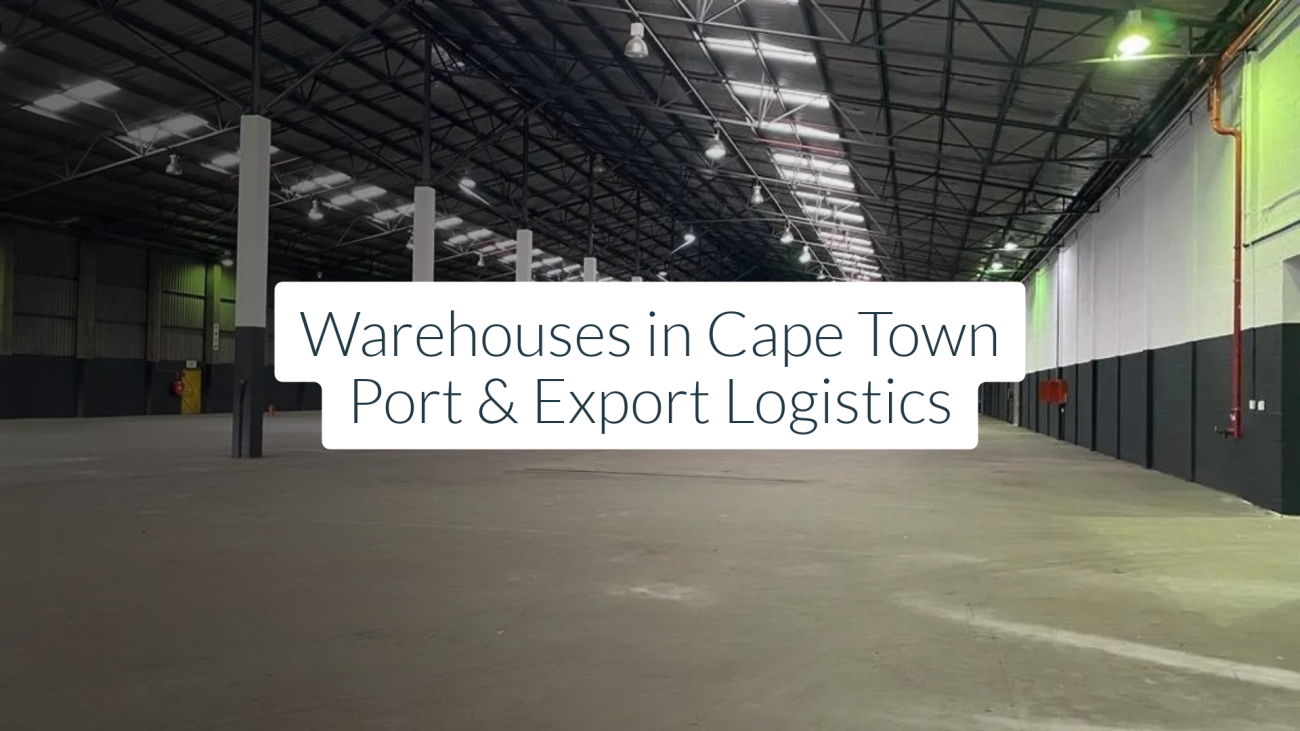
Warehouse rental rates: Specifications can outweigh headline price
Warehouse rentals must be measured against operational requirements, not floor area alone.
Two 5,000 m² warehouses may have identical advertised rentals but offer very different capabilities.
The following factors can materially affect suitability:
- Clear height to eaves and usable storage volume.
- Floor loading capacity and racking compatibility.
- Number and configuration of roller shutter doors and loading bays.
- Yard depth, truck circulation and interlink access.
- Electrical capacity, backup power and infrastructure.
- Proximity to highways, ports, airports and customer distribution routes.
- The proportion of office space relative to warehouse space.
A lower-rental warehouse with restricted vehicle access could increase delivery times or handling costs.
Likewise, a building with greater vertical storage capacity may allow a distributor to operate efficiently within a smaller footprint.
For this reason, businesses comparing warehouses in industrial nodes such as Jet Park, Epping, Pomona or Montague Gardens should establish whether the alternative premises can support the same operational throughput.
The most economical warehouse is not necessarily the one with the lowest rental per square metre.
Retail rental rates: Trading potential changes the comparison
Retail rentals require a different approach because location and customer activity can directly influence revenue.
A shop in a well-positioned shopping centre may command a higher rental than a nearby standalone property. The premium may reflect customer access, visibility, tenant mix, security or shared facilities.
A proper retail rental comparison should assess the applicable catchment area, centre performance, customer access, shop frontage and permitted trading use.
Operating costs, marketing contributions and any turnover-based rental provisions should also be evaluated.
A retailer paying less rent in a weaker location may face lower sales or higher customer acquisition costs.
Therefore, retail rental benchmarking should consider occupancy costs alongside the property’s ability to support sustainable trading.
How Do You Calculate Your True Commercial Occupancy Cost?
Your true commercial occupancy cost is the total amount your business pays to occupy and operate from a property, not merely the basic rental shown in the lease. It can include operating cost recoveries, rates, parking, utilities and other property-related charges, depending on the agreement.
For an initial comparison, use:
Monthly occupancy cost = Basic rental + operating costs + municipal recoveries + parking + utilities + other recurring property charges
Then calculate:
Occupancy cost per m² = Total monthly occupancy cost ÷ leased floor area
For financial comparisons, keep VAT treatment consistent and separate recurring charges from one-off relocation or installation expenditure.
Example: The cheaper office is not always cheaper
Consider a business comparing two 1,000 m² office premises.
The following figures are hypothetical and demonstrate the calculation. They are not market rental quotations.
| Monthly cost | Office A | Office B |
|---|---|---|
| Basic rental | R130,000 | R120,000 |
| Operating costs | R28,000 | R40,000 |
| Municipal rates recoveries | R15,000 | R20,000 |
| Parking | R22,500 | R37,500 |
| Estimated utilities | R10,000 | R9,000 |
| Total monthly occupancy cost | R205,500 | R226,500 |
| Total monthly cost per m² | R205.50 | R226.50 |
Office B advertises a lower basic rental of R120/m² compared with Office A’s R130/m².
Yet Office B costs R21,000 more per month, equivalent to R252,000 annually, before VAT and any other excluded costs.
The difference comes from operating expenses, municipal recoveries and parking.
Both properties would still need to be evaluated for building quality, layout, incentives and suitability before selecting the better option.
Why net-effective rental matters
Net-effective rental measures the average economic rental over an agreed period after accounting for applicable landlord incentives.
For example, a hypothetical 500 m² property rented at R180/m² produces a basic monthly rental of R90,000.
If a landlord grants three months of basic rent-free occupation over a 60-month lease, with no escalations assumed:
- Basic rental without the incentive: R5,400,000.
- Value of the basic rent-free period: R270,000.
- Adjusted basic rental over the term: R5,130,000.
- Average net-effective basic rental: R171/m² per month.
The example excludes operating costs, rates, parking, utilities, fit-out costs, discounting and escalations.
It illustrates why two properties with identical starting rentals can have different economic outcomes.
Rental escalation can change the result
Annual escalation clauses increase rental costs over the lease term.
For context, Statistics South Africa reported annual consumer inflation of 4.5% in September 2026.
A commercial lease escalation of 8%, for example, would exceed that headline inflation rate at that point in time. However, CPI is not automatically a legal ceiling for commercial rental increases.
The applicable lease agreement determines how contractual escalations operate, subject to relevant law.
When benchmarking a lease, calculate the full projected rental obligation rather than assessing the opening rate alone.
Is Your Commercial Rent Above Market? Use Galetti’s Rental Calculator
If you are uncertain whether your current rental is competitive, an initial market comparison can help identify whether further investigation is worthwhile.
Galetti Corporate Services provides an online tool designed to compare existing commercial rentals against estimated market rental levels.
Market Comparison Rental Rate Calculator
Check Your Rental Against the Market With Galetti’s Calculator
The calculator requests information including your property address, area, property type, building size, building grade, lease commencement date, lease length and total monthly rental.
The rental input covers basic rent, operating costs and rates.
Based on the information submitted, the calculator presents:
- Your current monthly rental.
- An estimated market rental.
- Potential annual savings.
- Potential savings over the lease period.
The comparison provides a useful starting point for businesses reviewing their property expenditure.
Calculator results are estimates, not independent valuations or confirmed savings. A detailed rental benchmark should verify comparable evidence, property-specific conditions, lease commitments and the assumptions behind any projected savings.
Businesses managing several offices, warehouses or retail locations can use the initial results to identify which properties warrant closer examination.
What Can You Do If You Are Paying Above Market Rental?
Paying above the current market rental does not automatically mean a tenant is entitled to a reduction. Existing lease commitments remain important, but a documented rental comparison can support discussions about revised commercial terms.
A structured approach should start with understanding the numbers and identifying an outcome that works for both the tenant and landlord.
1. Establish the difference between your rent and the market
Compare your current total rental costs with relevant market evidence.
Identify whether the apparent difference comes from basic rental, operating costs, escalations, the building’s specifications or the amount of space occupied.
The goal is to isolate the commercial issue before approaching the landlord.
2. Review the remaining lease term
The available options differ depending on whether the lease is approaching renewal or has several years remaining.
A tenant nearing expiry may have greater flexibility to explore alternative premises.
A business with a longer remaining commitment may need to consider early renewal, restructuring, subletting or a negotiated surrender, depending on the agreement and the landlord’s position.
3. Build a financial case for renegotiation
A landlord is more likely to engage with a documented proposal than an unsupported claim that the rental is too expensive.
Useful evidence includes comparable market rentals, the business’s occupancy requirements, relevant vacancy conditions and a projected comparison of alternative lease structures.
The proposal should also acknowledge the costs and risks of relocation.
4. Explore alternatives to a basic rental reduction
An improved commercial outcome does not always require the landlord to reduce the headline rental.
Depending on the circumstances, negotiations might consider:
- A revised escalation structure.
- A rent-free period or other temporary concession.
- An extended lease with revised commercial terms.
- A contribution towards improvements or refurbishment.
- A smaller footprint within the same building.
- A negotiated restructuring of the existing arrangement.
Each option should be evaluated over the full lease term. A short-term concession may have limited value if it is offset by higher future obligations.
5. Document the agreed terms
Any negotiated change should be properly recorded in the required lease documentation and signed by the relevant parties.
Tenants should obtain qualified legal advice where proposed changes affect contractual rights, obligations or potential liabilities.
Galetti’s Corporate Real Estate Advisory team assists businesses with lease benchmarking, renewal negotiations, tenant representation and portfolio analysis.
Common Mistakes When Comparing Commercial Rental Rates
Commercial rental comparisons often produce misleading conclusions when businesses rely on advertised prices without examining the underlying terms.
The most common mistakes include comparing different property grades, excluding operating costs, overlooking annual escalation and failing to account for incentives.
Another mistake is treating a lower rental as sufficient justification to relocate.
Moving premises can introduce expenditure for fit-out, IT infrastructure, operational downtime, relocation services and possible reinstatement obligations under the existing lease.
For warehouses, relocating may also affect delivery routes, staff accessibility or logistics performance.
For retail businesses, a relocation could change customer access and trading conditions.
A credible comparison should measure total financial and operational consequences, not just the difference in advertised rental.
That is why rental benchmarking should inform a property decision rather than determine the decision on its own.
Frequently Asked Questions
What is market-related rent in South Africa?
Market-related rent is the rental a comparable property can reasonably command in a particular location under prevailing market conditions. Commercial rental rates vary according to property type, size, grade, specifications, supply and demand, and lease terms. A national average is therefore not enough to establish the appropriate rent for an individual commercial property.
How do I calculate commercial property rent per square metre?
Divide the applicable monthly rental by the property’s leased area in square metres. For example, a monthly basic rental of R100,000 for 1,000 m² equals R100/m². To compare total occupancy costs, include the relevant operating costs and other recurring charges before dividing by the same area.
Is warehouse rent usually cheaper than office rent?
Not necessarily. Warehouse and office rental rates depend on different property characteristics and local markets. Industrial facilities with specialised infrastructure, strong logistics positioning or high operational capacity may command substantial premiums. Comparing the rental of a warehouse with an office is less useful than comparing each property with equivalent alternatives in its own market.
Can I negotiate my commercial rent before my lease expires?
You can approach your landlord to propose revised terms before expiry, but the landlord is not automatically obliged to accept them. The outcome depends on the lease, relevant law and the parties’ willingness to negotiate. A documented market comparison can help support a commercial proposal, particularly where renewal or restructuring benefits both parties.
Does commercial rental include operating costs and VAT?
Not always. Commercial property advertisements and leases may quote basic rental, gross rental or another defined amount. Operating costs, municipal recoveries, parking and utilities may be included or charged separately. VAT treatment must also be checked. According to SARS, the standard VAT rate in South Africa is 15% in 2026, where applicable.
How often should a business benchmark its commercial rental?
Rental benchmarking is particularly useful before lease renewals, proposed relocations, significant space changes and major property expenditure decisions. Businesses with larger portfolios may benefit from periodic reviews to identify cost differences across sites. The appropriate frequency depends on lease expiry dates, market conditions and the potential financial impact of acting on the findings.
Find Out Whether Your Rent Is Market-Related
Commercial property expenditure deserves the same scrutiny as other significant business costs.
For some businesses, an independent comparison may confirm that their existing property remains competitive. For others, it may reveal an opportunity to improve lease terms, reduce occupancy costs or reconsider the amount of space required.
The starting point is understanding where your current rental stands against the market.
Use Galetti’s Market Comparison Rental Rate Calculator to assess your current rental and see indicative potential savings.
For a more detailed assessment, contact Galetti Corporate Services to discuss a rental benchmark or lease review. The team can establish the scope of the assessment and explain any applicable advisory fees before work begins.