At Galetti, in the dynamic world of real estate, maintaining continuity is crucial. Galetti recognizes the pivotal role that timely lease renewal plays in ensuring the smooth


At Galetti, in the dynamic world of real estate, maintaining continuity is crucial. Galetti recognizes the pivotal role that timely lease renewal plays in ensuring the smooth

At Galetti, in the dynamic world of real estate, maintaining continuity is crucial. Galetti recognizes the pivotal role that timely lease renewal plays in ensuring the smooth

At Galetti, in the dynamic world of real estate, maintaining continuity is crucial. Galetti recognizes the pivotal role that timely lease renewal plays in ensuring the smooth

At Galetti, in the dynamic world of real estate, maintaining continuity is crucial. Galetti recognizes the pivotal role that timely lease renewal plays in ensuring the smooth
At Galetti, in the dynamic world of real estate, maintaining continuity is crucial. Galetti recognizes the pivotal role that timely lease renewal plays in ensuring the smooth
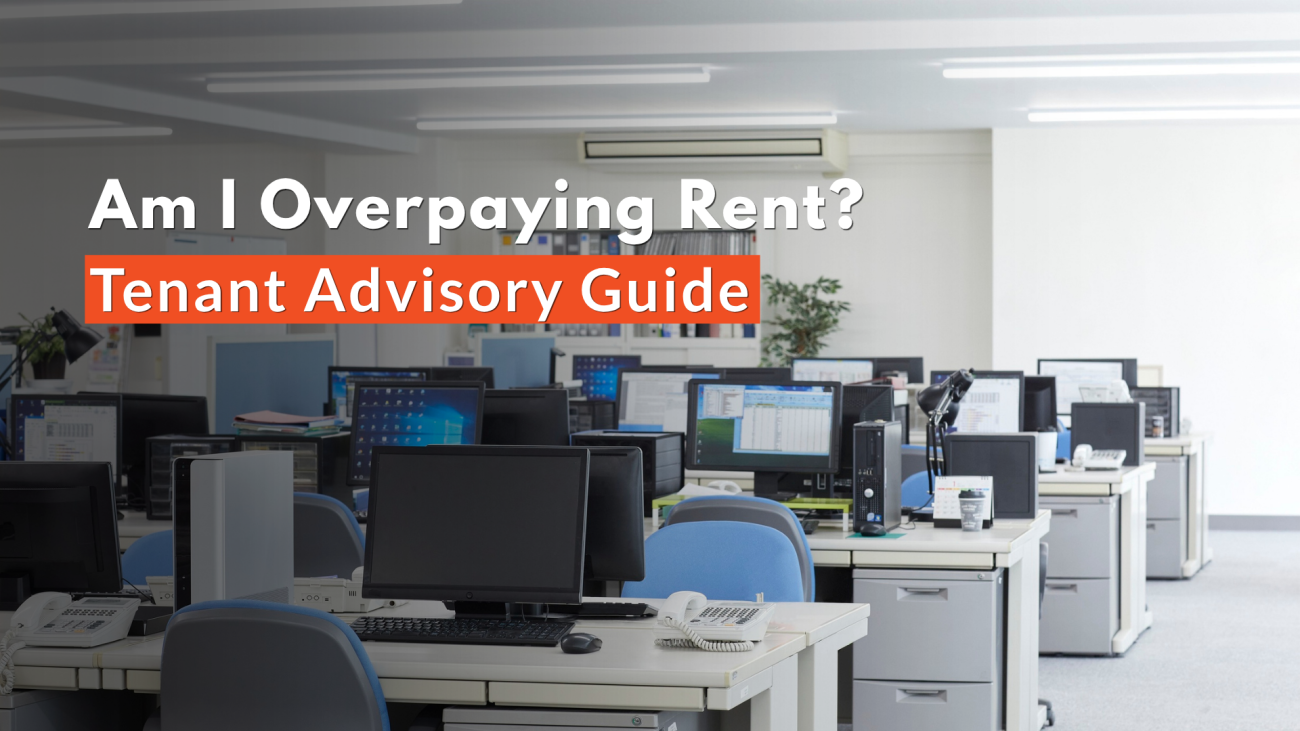
If you’re asking, “am I overpaying rent?”, you’re already thinking like a strategic occupier rather than a passive tenant.
Across South Africa, we consistently see businesses paying above market-related rentals. It’s rarely intentional. More often, it’s the result of legacy leases, compounded escalations, or simply a lack of independent benchmarking. Over time, this creates a silent but material impact on profitability.
The real issue is not just identifying overpayment. It’s understanding how to correct it in a structured, commercially sound way.
Market-related rent is the current achievable rate for comparable space within the same node, adjusted for key variables such as:
One of the most common mistakes tenants make is benchmarking against outdated deals or anecdotal information. In reality, rental markets shift constantly. Without regular recalibration, even well-negotiated leases can drift above market within a few years.
A structured, data-led review through professional advisory services provides clarity on where your lease truly sits in the current market:
https://galetti.co.za/galetti-corporate-services/
Overpayment is rarely the result of one poor decision. It’s typically the accumulation of several factors over time:
A key insight from working with occupiers across multiple sectors is this: landlords are not incentivised to reduce rental unless there is clear market pressure to do so.
Without independent data and leverage, tenants are negotiating from a weaker position.
One of the most valuable conversations we have with clients is not about rent, but about direction:
“Do we stay and renegotiate, or do we relocate?”
This decision should always be driven by operational and financial alignment, not just headline rental.
Best suited where:
More viable where:
In many cases, the strongest outcome comes from introducing credible relocation options to create leverage while negotiating to stay.
From an advisory perspective, the objective is simple: achieve cost efficiency without disrupting operational performance.
A common question is:
“Why can’t we just negotiate directly with the landlord?”
You can. But the reality is that the playing field is not equal.
Tenant representation changes this dynamic by introducing:
This transforms the process from reactive discussion into informed, leverage-driven negotiation.
Tenant representation is often misunderstood as a simple negotiation service. In practice, it is a strategic cost optimisation function.
A comprehensive advisory approach typically includes:
For businesses with multiple leases or long occupancy horizons, this becomes an ongoing optimisation strategy rather than a once-off intervention.
Reducing occupancy costs requires more than asking for a discount. It requires structure, timing, and data.
Key levers include:
If you want an initial view of potential savings, you can use the advisory rental calculator here:
https://galetti.co.za/advisory-rental-rate-calculator/
Increasingly, the answer is yes.
Businesses are recognising that lease management and negotiation require specialised expertise, particularly in volatile markets.
Outsourcing to a property advisory team allows you to:
This approach is particularly valuable for:
Most leases escalate between 6% and 8% annually. However, this often exceeds actual market growth, which can result in rentals drifting above market over time.
The only reliable method is a formal benchmark against current market data. Assumptions or historic comparisons are rarely accurate.
Exclusivity aligns incentives. It allows the advisor to negotiate more effectively, access off-market opportunities, and deliver a fully optimised outcome.
In certain cases, yes. This depends on lease terms, demand for the space, and the ability to structure a replacement tenant or negotiated exit.
If your lease hasn’t been reviewed in the last 12 to 24 months, there is a strong likelihood that it no longer reflects current market conditions.
A key insight we’ve seen across advisory mandates is that even small percentage savings on rental translate into significant long-term cost reductions, particularly for larger occupiers.
Whether your objective is cost reduction, expansion, or strategic repositioning, tenant representation provides the framework to make informed, commercially sound decisions.
To assess your current lease position and identify potential savings, speak to the Galetti advisory team:
https://galetti.co.za/contact-galetti-today/
For broader market insights, visit our LinkedIn newsletter
At Galetti, in the dynamic world of real estate, maintaining continuity is crucial. Galetti recognizes the pivotal role that timely lease renewal plays in ensuring the smooth

Commercial Real Estate Portfolio Optimisation in 2026 is no longer optional, it is a financial imperative. Property is typically the second-largest operating cost for South African businesses, and market volatility has exposed inefficiencies that were once hidden. From our experience, organisations that treat real estate as a strategic lever—not a fixed overhead—unlock measurable cost savings, reduce risk, and improve operational flexibility.
At Galetti Corporate Services, we see a consistent pattern: portfolios that outperform are guided by data, disciplined timing, and structured lease strategy. Those that underperform rely on intuition, legacy leases, and delayed decision-making. This pillar page consolidates the full strategic framework required to optimise portfolios in 2026—end to end.
Strategic lease advisory underpins every successful portfolio optimisation programme. It moves businesses away from a “set-and-forget” mindset and toward active lease governance that responds to real market conditions.
From our experience, landlords are increasingly flexible—but only when negotiations are supported by credible, node-specific evidence.
Why benchmarking is non-negotiable
Without accurate benchmarks, negotiations lack leverage. What our data shows is that many tenants are 15–20% above market simply because they lack recent, comparable deal data.
Benchmarking delivers immediate value by:
In practice, clients who benchmark 9–12 months before expiry shorten negotiations by up to 30% while securing materially improved lease terms.
Effective corporate real estate portfolio management requires a structured, repeatable framework that aligns property decisions with business strategy—not legacy commitments.
A common challenge we see is portfolio bloat: excess or under-utilised space spread across multiple sites.
Each property should be categorised as:
Portfolios concentrated in a single asset class or node carry systemic risk. In practice, we advise diversification into logistics and industrial assets, which continue to benefit from e-commerce, last-mile delivery, and infrastructure investment.
ESG is no longer a compliance exercise—it is a financial control mechanism. Properties with energy efficiency, solar integration, and water management directly hedge against above-inflation utility increases expected through 2026.
True commercial lease cost reduction extends far beyond base rent. The largest savings are often embedded in operational clauses, recoveries, and utilisation inefficiencies.
Rightsizing and utilisation analysis
Average office utilisation sits near 54%, meaning many organisations subsidise unused space.
High-impact strategies include:
Operating expense audits
Recoveries frequently contain inefficiencies.
What our audits commonly reveal:
Technology-enabled lease management materially reduces these risks.
Mispriced renewal clauses
Vague “agreement to agree” clauses frequently fail under South African contract law.
Solution: Fixed benchmarking mechanisms or independent valuation triggers.
Hidden inflation exposure
Municipal charges and electricity costs often outpace CPI.
Solution: Gross or capped leases with defined operating expense ceilings.
Clustered lease expiries
Simultaneous expiries strain capital and internal capacity.
Solution: Strategic staggering to preserve leverage and liquidity.
How do I know if my company is overpaying rent?
Compare your current rental rate to deals concluded in your building or node within the last six months. Benchmarking against live transactions—not asking prices—provides the most accurate answer.
When should lease renewals start?
Begin 9–12 months before expiry. This preserves your “stay-or-go” leverage and prevents landlords from exploiting time pressure.
Can costs be reduced without relocating?
Yes. Lease audits, blend-and-extend strategies, and utilisation optimisation often deliver savings without disruption.
Is portfolio optimisation only for large corporates?
No. Any business operating across multiple sites—or holding long-term leases—benefits materially from optimisation.
Is Commercial Real Estate Portfolio Optimization Right for You?
If your business operates from multiple locations, faces a lease renewal within the next year, or lacks clear visibility into occupancy costs, optimisation is not optional—it is essential.
Optimising your portfolio is not just about saving money. It is about risk control, strategic agility, and future-proofing your business in an uncertain economy.
Next steps:
At Galetti, in the dynamic world of real estate, maintaining continuity is crucial. Galetti recognizes the pivotal role that timely lease renewal plays in ensuring the smooth

At Galetti, in the dynamic world of real estate, maintaining continuity is crucial. Galetti recognizes the pivotal role that timely lease renewal plays in ensuring the smooth