Compare industrial space in Pretoria East across Waltloo, Silverton and N4 Gateway Industrial Park, with current rental rates, sizes and specifications for tenants and buyers.
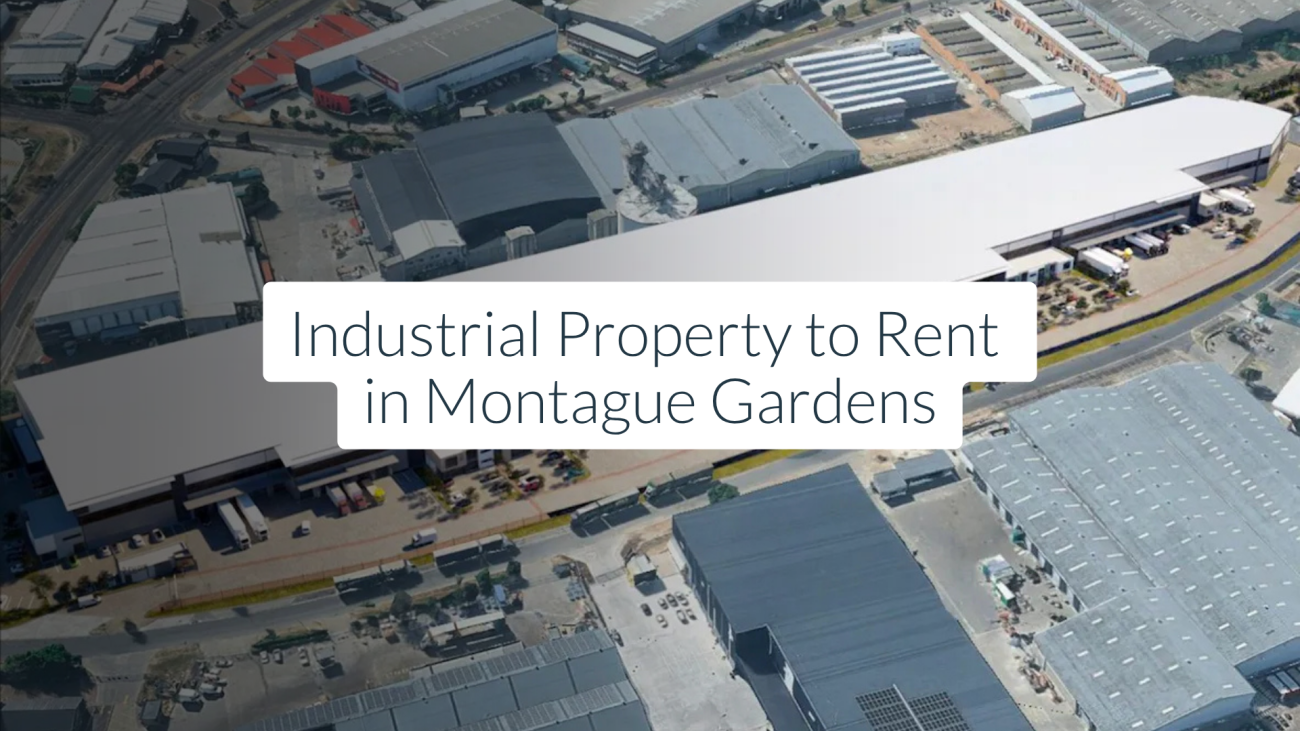

Compare industrial space in Pretoria East across Waltloo, Silverton and N4 Gateway Industrial Park, with current rental rates, sizes and specifications for tenants and buyers.

Compare industrial space in Pretoria East across Waltloo, Silverton and N4 Gateway Industrial Park, with current rental rates, sizes and specifications for tenants and buyers.
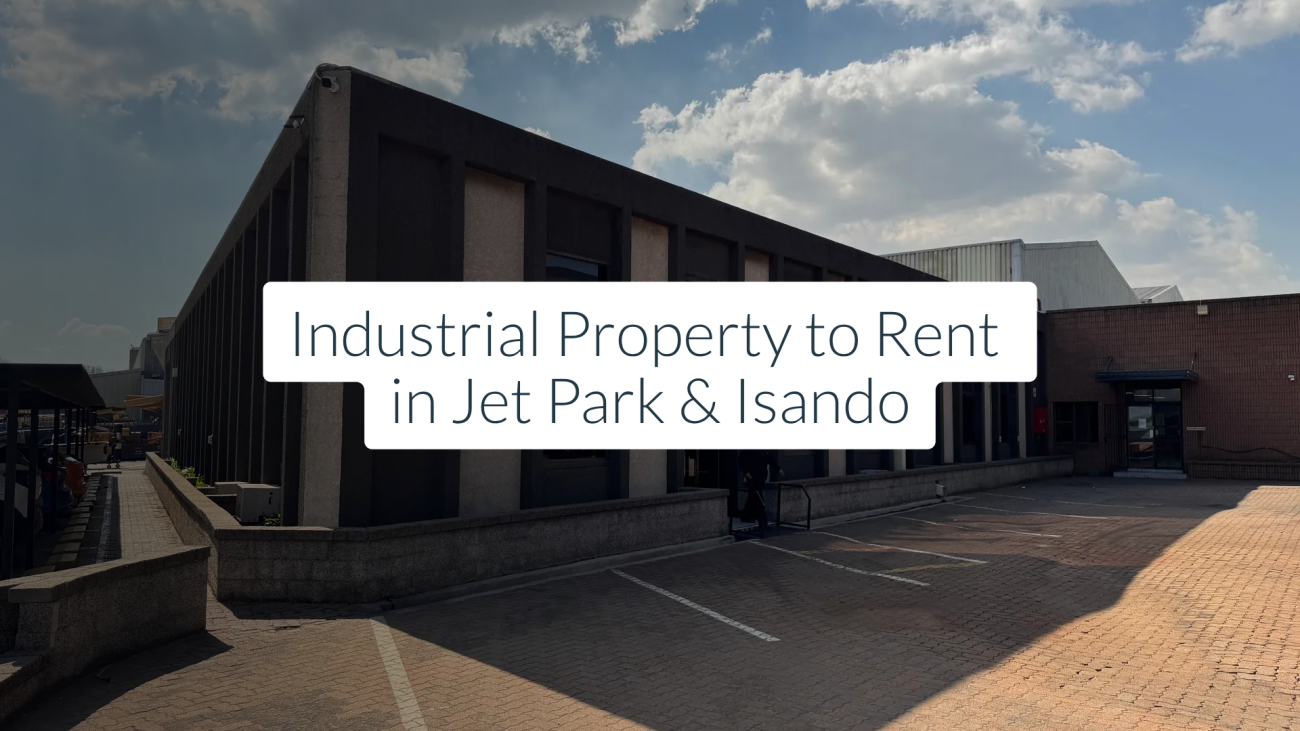
Compare industrial space in Pretoria East across Waltloo, Silverton and N4 Gateway Industrial Park, with current rental rates, sizes and specifications for tenants and buyers.

Tenant representation cost depends on what you are asking the adviser to do. A commercial tenant acquiring new premises may not pay the commission directly because the landlord can fund the transaction fee. A tenant renewing or regearing an existing lease may instead pay a performance-based fee linked to the savings achieved.
That distinction matters. Saying tenant representation is simply “free” because the landlord pays commission only explains one type of transaction.
Tenant representation is a commercial property advisory service where an adviser acts for the occupier during a lease acquisition, relocation, renewal, regear, surrender or other property transaction. The fee model can change depending on the mandate and who receives the measurable financial benefit.
Tenant representation cost in South Africa varies according to the transaction. Lease acquisitions are commonly structured differently from lease renewals because the work, payment source and financial outcome are different.
At Galetti, the clearest way to understand the cost is to separate the mandate into transaction types.
| Tenant requirement | Who typically pays Galetti? | Fee basis |
|---|---|---|
| New lease acquisition | Landlord | Commission based on lease term and rental |
| Relocation | Landlord | Commission based on lease term and rental |
| Lease renewal | Tenant | Performance fee based on negotiated savings |
| Early renewal or lease regear | Tenant | Performance fee based on negotiated savings and additional incentives |
| Lease surrender | Tenant | Performance fee based on the financial saving achieved |
| Sublet or tenant replacement | Tenant | Management and/or brokerage fee depending on the structure |
The important point is that who pays the fee and how the fee is calculated are separate questions.
A landlord-funded acquisition commission does not mean every tenant representation service is free. Equally, a tenant-paid renewal mandate does not normally mean the tenant pays a conventional brokerage commission based simply on the lease value.
Tenant representation fees generally follow either a transaction-based or performance-based model. A transaction-based fee is linked to completing a lease, while a performance-based fee is linked to an agreed financial outcome such as reducing the tenant’s occupancy cost.
Galetti’s mandate demonstrates both models.
For a new acquisition, the work can include:
The mandate specifically provides for comparable market rentals, potential incentives and financial analysis to form part of the acquisition business case.
A renewal works differently. The adviser first needs a baseline against which a negotiated improvement can be measured.
Galetti’s mandate requires the adviser to review the existing lease, comparable market rentals, proposed renewal terms, potential incentives and financial implications before negotiating the renewal.
That baseline is what makes a savings-based fee measurable.
For a new lease acquisition, the landlord can pay the tenant representative’s commission. For a lease renewal or regear, the tenant may pay the adviser based on the savings achieved. The payer therefore depends on the service being performed and the agreed mandate.
This is the distinction that gets lost in many explanations of tenant representation fees.
If you are moving into a new building, the landlord has a financial incentive to secure the tenancy. The brokerage commission can therefore form part of the landlord’s transaction cost.
If you are staying in your existing premises and appointing an adviser to reduce the financial burden of your renewal, the economic benefit is being generated for you as the tenant. A savings-based fee can therefore be structured between you and the adviser.
The signed mandate should state who pays, how the amount is determined and when payment becomes due.
For a lease acquisition or relocation, Galetti uses a commission structure linked to the duration and rental value of the lease, with the fee recovered from the landlord or developer.
The current tenant representation mandate provides the following structure:
The mandate states that Galetti will look first to the owner, landlord, sub-landlord, assignor or seller for payment in an acquisition or relocation transaction.
These percentages should not be interpreted as a legally prescribed South African commission tariff. They describe the fee structure contained in Galetti’s current mandate template and the signed mandate applicable to a specific transaction should always be checked.
For example, if the first-year total rental on a five-year lease were R1.2 million, a 21% commission would equal R252,000 plus VAT. In a landlord-funded acquisition mandate, the landlord would ordinarily fund that commission rather than the tenant paying R252,000 directly.
That is an illustrative calculation, not a quoted fee for a particular property.
A Galetti lease renewal or lease regear uses a savings-based fee rather than the acquisition commission model. Under the current mandate, the fee is 25% plus VAT of the defined financial savings achieved through the negotiation.
A lease regear usually involves changing the commercial terms of an existing lease before its natural expiry. This could include an early renewal, rental adjustment, revised escalation, downsizing or another restructuring that improves the tenant’s position.
The important part is establishing the baseline first.
For a standard renewal, the mandate compares the rental that would have applied if the existing rental were escalated into the new lease period against the renegotiated rental.
For an early renewal, the comparison looks at the tenant’s current financial obligation against the renegotiated position up to the existing lease expiry.
Assume a tenant’s baseline occupancy cost over the relevant comparison period would be:
R4,800,000
After negotiation, the comparable cost becomes:
R4,200,000
Rental and occupancy saving:
R600,000
Assume the negotiation also secures an additional:
R100,000 landlord contribution
Total measurable benefit:
R700,000
At a 25% performance fee:
Tenant representation fee: R175,000 plus VAT
The tenant retains R525,000 of the measured benefit before considering VAT treatment and any other transaction-specific factors.
This example is purely illustrative. Actual calculations depend on the lease, landlord proposal, negotiated terms and definitions contained in the signed mandate.
Savings should be defined before negotiations start, not decided afterwards. Galetti’s current renewal methodology looks beyond headline base rental and includes other occupancy costs and negotiated incentives.
The mandate identifies the comparison as:
For a renewal, the escalated rental, operating costs and parking are compared with the renegotiated position. Additional tenant incentives, rent-free periods and landlord capital contributions can then be added to the financial benefit achieved.
This is important because focusing only on the advertised rental can give you the wrong answer.
A landlord may refuse a major reduction in base rental but offer a lower escalation rate, rent-free period or capital contribution. Another proposal may look cheaper per square metre but become more expensive after operating costs and parking are included.
That is why total occupancy cost is more useful than comparing rental in isolation.
You can also use Galetti’s commercial rental rate calculator as an initial benchmark before a more detailed lease analysis.
Commercial tenant representation in South Africa should involve more than asking a landlord for a lower rental. A properly structured mandate combines market evidence, financial modelling, property alternatives and negotiation.
For a lease acquisition, Galetti’s process can include assessing:
The adviser then builds a business case around lease terms, comparable rentals, incentives and financial analysis before suitable properties are shortlisted and negotiated.
For a renewal, the process starts with a different question:
What would happen financially if you simply accepted the landlord’s proposed terms?
That becomes the baseline.
The adviser can then compare the landlord’s offer with market evidence and alternative premises. This gives the tenant something that is often missing in a direct landlord negotiation: a credible alternative.
For a broader view of occupier advisory, see Galetti Corporate Services.
A performance-based tenant representation fee links part of the adviser’s remuneration to a measurable financial improvement for the tenant. The larger the qualifying saving achieved, the larger the fee, while the tenant retains the majority of that saving.
This structure can create clearer commercial alignment than paying solely for hours worked.
It does not remove the need for scrutiny.
Before signing a savings-based mandate, ask:
In Galetti’s current mandate, renewal fees become due on the earlier of signing the new lease or addendum, or commencement of the renewal or early-renewal period.
The formula matters as much as the percentage.
A tenant representation mandate should define the scope, exclusivity, closing event, fee calculation and payment trigger in writing. You should be able to understand the commercial consequences before appointing the adviser.
Galetti’s mandate, for example, distinguishes between lease acquisitions, relocations, renewals, early renewals, lease surrenders and subletting. A fee becomes payable when the applicable closing event and contractual payment conditions are met.
The mandate should answer at least:
[VERIFY] Regulatory point: The PPRA Code of Conduct states that an estate agent may not represent a particular commission or fee as being prescribed by law, the regulator or an industry association. Commercial fees therefore need to be understood from the applicable agreement rather than treated as a statutory tariff.
The Property Practitioners Act also deals with situations where a practitioner acts for parties with materially different interests and receives remuneration from more than one party. Section 62 requires written agreement from all affected persons in the circumstances described by the Act. [VERIFY]
The Property Practitioners Regulatory Authority’s Code of Conduct is the appropriate regulatory reference.
This article explains commercial fee structures and should not be treated as legal advice. The signed mandate and lease documentation should be reviewed where contractual liability is uncertain.
Tenant representation is worth the cost when the financial and commercial improvements achieved exceed the fee and give the tenant a better overall property outcome. The correct comparison is therefore not “fee versus no fee”. It is the negotiated outcome with representation versus the outcome you could reasonably have achieved without it.
Consider a lease renewal.
A landlord may initially offer:
An adviser may identify that comparable properties are offering stronger terms and use credible relocation alternatives to negotiate.
The outcome might include a combination of lower rental, reduced escalation, incentives and capital contributions.
The value is therefore not necessarily found in one headline number.
If your lease is approaching renewal, start by comparing your current lease, the landlord’s proposed renewal and current market alternatives. Galetti Corporate Services can then establish the baseline and determine whether a renewal, regear or relocation case should be tested.
[DATA NEEDED: confirm Galetti’s typical initial review turnaround and whether the initial assessment carries a separate charge.]
Tenant representation is not automatically necessary for every lease. A tenant should consider whether the potential commercial value justifies the advisory process and any applicable fee.
It may be less appropriate where:
Timing also matters.
A tenant representative has more negotiating leverage when there is enough time to test alternatives. Approaching an adviser immediately before lease expiry can reduce the ability to run a credible market process.
That does not necessarily make representation worthless. It simply reduces some of the options available.
Before agreeing to a tenant representation cost, compare the calculation method, scope of work, payment trigger and likely financial benefit. A lower percentage does not automatically represent better value if the mandate provides less analysis or negotiation support.
Ask for clarity on four areas:
| Question | Why it matters |
|---|---|
| Who pays? | Determines whether the fee is landlord-funded or tenant-funded |
| What triggers the fee? | Prevents uncertainty over when payment becomes due |
| How is the fee calculated? | Makes the commercial exposure measurable |
| What services are included? | Allows you to assess fee against actual work and potential value |
For lease renewals in particular, insist on seeing the baseline.
If the adviser cannot show how the original financial position was calculated, it becomes difficult to verify the claimed saving later.
The strongest mandate is therefore not necessarily the cheapest one. It is the one where the fee formula, financial baseline and adviser responsibilities are clear before negotiations begin.
Tenant representation cost depends on the mandate. Galetti lease acquisitions generally use landlord-funded commission, while lease renewals and regears can use tenant-paid performance fees. Under Galetti’s current mandate template, the renewal performance fee is 25% plus VAT of defined savings. Actual terms should always be confirmed in the signed mandate.
The payer depends on the transaction. For a new lease acquisition or relocation, the landlord can fund the commission. For a renewal or regear where the adviser is generating measurable savings against the tenant’s existing position, the tenant can pay a percentage of the financial benefit achieved.
Not always. A new lease acquisition may involve no direct brokerage payment by the tenant because the landlord funds the commission. Renewals, lease regears, surrenders and other advisory mandates can use tenant-paid fee structures. You should therefore check the mandate rather than assume all tenant representation is free.
Galetti’s current lease renewal model calculates a 25% plus VAT performance fee against defined savings. The baseline considers escalated rental, operating costs and parking, while the negotiated position and additional incentives such as rent-free periods and landlord contributions are used to determine the resulting financial benefit.
That depends on the signed mandate and the type of transaction. A savings-based renewal fee relies on the defined savings calculation, while an acquisition commission is triggered differently. Tenants should confirm the fee trigger, closing event and payment obligations before appointing a representative.
Broker commission is commonly linked to completing a property transaction, such as a new lease. Tenant representation fees can also be performance based, with remuneration linked to savings or another measurable outcome. The terminology matters less than the formula, payer, scope and payment trigger contained in the mandate.
A tenant representative can be particularly useful when the landlord’s proposed renewal needs to be tested against current market rentals, alternative premises and the tenant’s total occupancy cost. The business case is strongest where there is sufficient lease exposure and time to create genuine negotiating leverage.
Do not start with the fee percentage.
Start with your lease.
Review the current rental, escalation, operating costs, parking, expiry date and landlord proposal. Then establish what comparable premises and current market terms tell you about your negotiating position.
Only once that baseline exists can you properly evaluate the tenant representation cost against the potential financial benefit.
If you want Galetti Corporate Services to assess a renewal, regear or acquisition, the next step is to provide the current lease and available landlord proposal so the appropriate mandate and fee model can be explained before negotiations begin.

Compare industrial space in Pretoria East across Waltloo, Silverton and N4 Gateway Industrial Park, with current rental rates, sizes and specifications for tenants and buyers.

Compare industrial space in Pretoria East across Waltloo, Silverton and N4 Gateway Industrial Park, with current rental rates, sizes and specifications for tenants and buyers.

Compare industrial space in Pretoria East across Waltloo, Silverton and N4 Gateway Industrial Park, with current rental rates, sizes and specifications for tenants and buyers.

At Galetti, in the dynamic world of real estate, maintaining continuity is crucial. Galetti recognizes the pivotal role that timely lease renewal plays in ensuring the smooth

A commercial lease audit reviews far more than the rental printed on your lease. It tests the lease terms, rental charges, escalations, operating costs, recoveries, critical dates and tenant obligations, while lease benchmarking compares your total commercial position with current office or industrial market evidence.
For commercial and industrial tenants, the objective is not simply to prove that the rent is too high. The purpose is to establish whether you are being charged correctly, whether the lease remains market-related, and what action is commercially realistic before your next lease decision.
Definition: A commercial lease audit is a structured review of the financial, contractual and operational terms governing your occupation of a property. Lease benchmarking is the separate process of comparing those terms and costs against relevant market evidence.
A commercial lease audit is a structured review of your lease agreement, rental invoices, escalations, operating costs, recoveries, critical dates and tenant obligations. The purpose is to confirm that charges match the contract, identify financial or operational risks, and establish which lease terms may justify further review or negotiation.
A commercial lease audit starts with the lease rather than with available properties.
The adviser needs to establish what the parties originally agreed, how those obligations have developed over the lease term, and whether the current billing and commercial position still correspond with that agreement.
That makes a lease audit different from simply looking up an asking rental online.
An audit might find that your rental is contractually correct but materially above current market levels. Alternatively, your rental might be competitive while another component of the lease, such as operating cost recoveries or escalation, deserves attention.
Those are very different findings and require different responses.
| Review | Main question | Typical output |
|---|---|---|
| Commercial lease audit | Are the lease, charges and obligations being applied correctly? | Identified cost, risk and lease issues |
| Lease benchmarking | How do the commercial terms compare with the current market? | Market position and comparable evidence |
| Occupancy cost audit | What does the property really cost the business? | Fully loaded occupancy cost |
| Commercial rent review | Is there a basis to revisit rental or other terms? | Negotiation or renewal strategy |
A commercial lease audit should review every material financial obligation, critical date and operational provision that affects your occupancy. The exact scope depends on the lease, but a credible audit normally goes well beyond checking the basic rental.
The review typically includes:
| Item reviewed | What should be checked | Why it matters |
| Base rental | Starting rental, current rental and rental basis | Establishes whether invoicing follows the lease |
| Escalation | Percentage, anniversary date and calculation | Small errors compound over several years |
| Operating costs | What is recoverable and how it is calculated | Determines whether additional charges correspond with the agreement |
| Rates and taxes | Allocation and increases | Can materially affect total property cost |
| Utilities | Electricity, water, sewerage and related charges | Important where consumption or recovery methods are complex |
| Parking | Number of bays, rental and escalation | Often overlooked when comparing buildings |
| Lease dates | Commencement, expiry and renewal dates | Determines how much time remains to act |
| Notice periods | Renewal, termination or option deadlines | Missing a date can reduce available options |
| Deposit or guarantee | Amount, adjustment provisions and status | Affects capital tied up in the lease |
| Tenant installation | Allowances and responsibilities | Important when assessing the economic value of a deal |
| Maintenance | Landlord and tenant responsibilities | Can create significant future expenditure |
| Reinstatement | End-of-lease obligations | Can create material exit costs |
| Use provisions | Permitted use and operational restrictions | Important if the business has changed |
| Expansion or contraction rights | Options relating to additional or reduced space | Affects future flexibility |
| Assignment and subletting | Whether space may be transferred or sublet | Relevant when right-sizing |
| Renewal provisions | Option structure and future rental mechanism | Influences renewal strategy |
South African commercial leases can allocate operating costs, property-related charges and utilities in different ways. SAPOA’s published commercial lease material also illustrates how rates, utilities, operating costs and tenant installation allowances can form separate parts of the overall lease economics. Individual leases still need to be interpreted according to their actual wording.
A property adviser should therefore flag contractual or financial issues for further investigation. Where the issue becomes a legal interpretation or dispute, the tenant should obtain advice from a suitably qualified legal professional.
Lease benchmarking compares your current rental and lease structure with genuinely comparable transactions, marketed alternatives and prevailing commercial terms in the same relevant market. The purpose is to determine whether staying in your existing property still represents a competitive commercial position.
A meaningful benchmark should not compare one headline rental with another.
Galetti’s Market Comparison Rental Rate Calculator asks for information including property type, location, size, building grade, lease start date, lease length and total monthly rental. The total monthly rental input includes basic rent, operating costs and rates.
That reflects an important principle.
A R100/m² warehouse and another R100/m² warehouse are not automatically equivalent. One may provide substantially better power, yard access, height, loading facilities or highway connectivity.
The same applies to offices. Building grade, parking, backup power, location, floorplate efficiency and tenant incentives can affect the economic comparison.
Market conditions are also changing.
SAPOA’s Q2 2026 Office Vacancy Survey recorded a national office vacancy rate of 12.1%, down from 12.6% in Q1 2026. That was the lowest national level since early 2020.
For tenants, this means benchmarking should use current node and building evidence rather than assuming the negotiating conditions of two or three years ago still apply.
Rental benchmarking is only useful when the comparable properties reflect the characteristics that actually drive rental value. The correct comparison set for an industrial facility will therefore look different from the comparison set for an office building.
For offices, useful comparison criteria can include:
For industrial premises, the benchmark may also need to consider:
This level of detail matters because industrial rental growth has been relatively strong.
The Rode Report 2026:2 recorded approximately 7.2% year-on-year growth in national prime industrial rentals for 500 m² units in Q2 2026, according to a summary published on 20 August 2026. Cape Town recorded particularly strong industrial rental growth of approximately 11.7%.
That does not mean every industrial tenant should accept a 7.2% increase.
It means the industrial market has to be evaluated at node, property and specification level. A tenant occupying scarce, high-specification logistics space may face very different alternatives from a tenant occupying older secondary industrial stock.
An occupancy cost audit calculates the full financial cost of using a property rather than considering basic rent in isolation. This provides a better basis for comparing your current premises with renewal, relocation or consolidation options.
A useful total occupancy cost model can include:
This is particularly important where two lease offers use different commercial structures.
A lower basic rental can be offset by higher operating costs, limited landlord contributions or expensive parking. A higher headline rental might still produce the stronger overall deal if the lease includes better incentives or reduces operating expenditure elsewhere.
Inflation should also be treated carefully.
Statistics South Africa reported annual headline CPI of 4.3% in July 2026, down from 5.0% in June.
CPI is useful economic context. It is not a substitute for commercial property market evidence.
Your contractual escalation, current inflation and actual market rental growth can all move at different rates. A proper occupancy cost audit separates those measures instead of treating them as interchangeable.
If your immediate question is whether your current rental appears market-related, use Galetti’s Lease Benchmarking Calculator as an initial check.
If the issue includes multiple leases, operating costs, renewal options or wider portfolio decisions, the next step is a structured review through Galetti Corporate Services. The public Corporate Services page does not state a standard advisory fee or turnaround time, so these should be confirmed when the scope is agreed.
A commercial rent review determines whether there is sufficient contractual and market evidence to justify revisiting the current rental or negotiating different terms at renewal. The strongest position is usually based on alternatives and evidence, not on simply asking the landlord for a discount.
The review can identify several possible negotiation points:
The conclusion does not always have to be “negotiate the rent down”.
In a strengthening node, maintaining an attractive existing rental while negotiating better flexibility may be more valuable. In another building, reducing the occupied area could generate greater savings than negotiating a few rand per square metre off the rental.
This is why a commercial rent review should model more than one outcome.
A commercial lease audit needs the signed lease and enough supporting information to reconcile what was agreed with what the tenant is currently paying and using. Missing amendments or invoices can materially limit the accuracy of the review.
The audit file would normally include:
For multi-site occupiers, this information should ideally be converted into a consistent portfolio schedule.
That allows decision-makers to see lease expiries, rentals, escalations, property sizes and potential risks across the portfolio rather than dealing with each property as an isolated event.
Galetti’s Corporate Services page currently lists 72 property portfolios and 1,769 client properties under management.
The relevance of portfolio scale is not simply the number of properties. A consistent dataset makes it easier to identify upcoming lease events and compare similar exposures across multiple sites.
A commercial lease audit should end with a recommended action and the evidence supporting that action. A report that identifies problems without establishing what the tenant should test next has limited strategic value.
Typical outcomes include:
A recent Galetti Corporate Services case provides a useful example.
In a stay-versus-go assessment published in August 2026, the Corporate Services team tested relocation through a Request for Proposal process and compared alternative properties on cost, operational fit, location and commercial terms. The client ultimately remained in its existing premises on an improved commercial structure.
The important part is that staying was tested against a credible alternative.
That changes the renewal conversation. The business knows what relocation would genuinely cost and what other properties can offer before deciding whether the existing lease remains the right option.
Lease benchmarking should happen early enough for the tenant to act on the findings. Waiting until the final weeks before expiry can reduce the ability to test alternative premises, obtain internal approval and negotiate from a credible position.
Good review points include:
There is no universal number of months that suits every property.
A small office renewal can generally be assessed more quickly than a large industrial relocation involving specialised power, loading requirements, racking or production infrastructure.
The important point is to preserve optionality. If a tenant does not have enough time to relocate realistically, the landlord will know that too.
Not every tenant requires a full commercial lease audit. If the property exposure is small, the lease is straightforward and there is no material renewal, billing or strategic concern, a lighter rental benchmark may be sufficient.
A full audit may also add limited value where:
In those cases, a targeted benchmark can answer the immediate question without expanding the scope unnecessarily.
The value of a full review increases when the financial exposure, number of leases, complexity of recoveries or strategic consequences become more significant.
A useful report should tell you where the lease stands, what was found, how the property compares with the market and what action should be considered next.
For management, the final output should be concise enough to support a decision.
That could include:
The report should also distinguish between facts, market evidence and assumptions.
If a comparable rental is an asking rental rather than a completed transaction, say so. If a utility estimate has been used because invoices were unavailable, identify the limitation.
That transparency matters because lease decisions can create multi-year financial commitments.
A commercial lease audit reviews the lease, charges, obligations and critical dates to identify discrepancies or risks. Lease benchmarking compares your rental and commercial terms with relevant current market evidence. They work together, but they answer different questions. The audit asks whether the lease is being applied correctly. Benchmarking asks whether the resulting position remains competitive.
Lease benchmarking is most useful before renewals, rent reviews, major budgeting decisions and material changes in your property requirements. Larger occupiers may also benchmark their portfolio periodically so that upcoming lease events can be identified early. The appropriate frequency depends on portfolio size, lease length, market movement and the cost of each property commitment.
Rental benchmarking can compare basic rental, operating costs, escalation, parking, incentives and lease terms. The comparable properties should also match relevant physical and locational characteristics. For industrial premises this can include power, yard access and warehouse specification. For offices, building grade, parking, location and backup utilities may be important.
An occupancy cost audit can identify charges that require further investigation by reconciling actual property costs with the lease and supporting information. It can also reveal costs that are contractually correct but commercially inefficient. Any disputed contractual interpretation should be referred to an appropriately qualified legal or financial professional where necessary.
A commercial rent review is useful before renewal because it establishes how the existing rental and lease terms compare with current alternatives. The review should happen early enough to test relocation if required. Without credible alternatives, a tenant may know the rent is high but still have limited leverage to change the commercial position.
A commercial lease audit establishes what your current lease actually requires, where cost or risk issues may exist and which dates matter. Lease benchmarking then puts that position against the market.
Neither exercise should automatically lead to relocation or renegotiation.
The value is having enough evidence to decide whether the correct response is to stay, renew, negotiate different terms, reduce space, consolidate or test the market.
If rental is your immediate concern, start with Galetti’s Market Comparison Rental Rate Calculator.
For a full lease or portfolio review, Galetti Corporate Services can assess the lease, benchmarking evidence and wider property strategy. The first step should be confirming the required documents, scope, expected turnaround and advisory fee before the review begins.

At Galetti, in the dynamic world of real estate, maintaining continuity is crucial. Galetti recognizes the pivotal role that timely lease renewal plays in ensuring the smooth